
Empty, Furnished, or Unfinished? How to Present Every Type of Property at Its Best
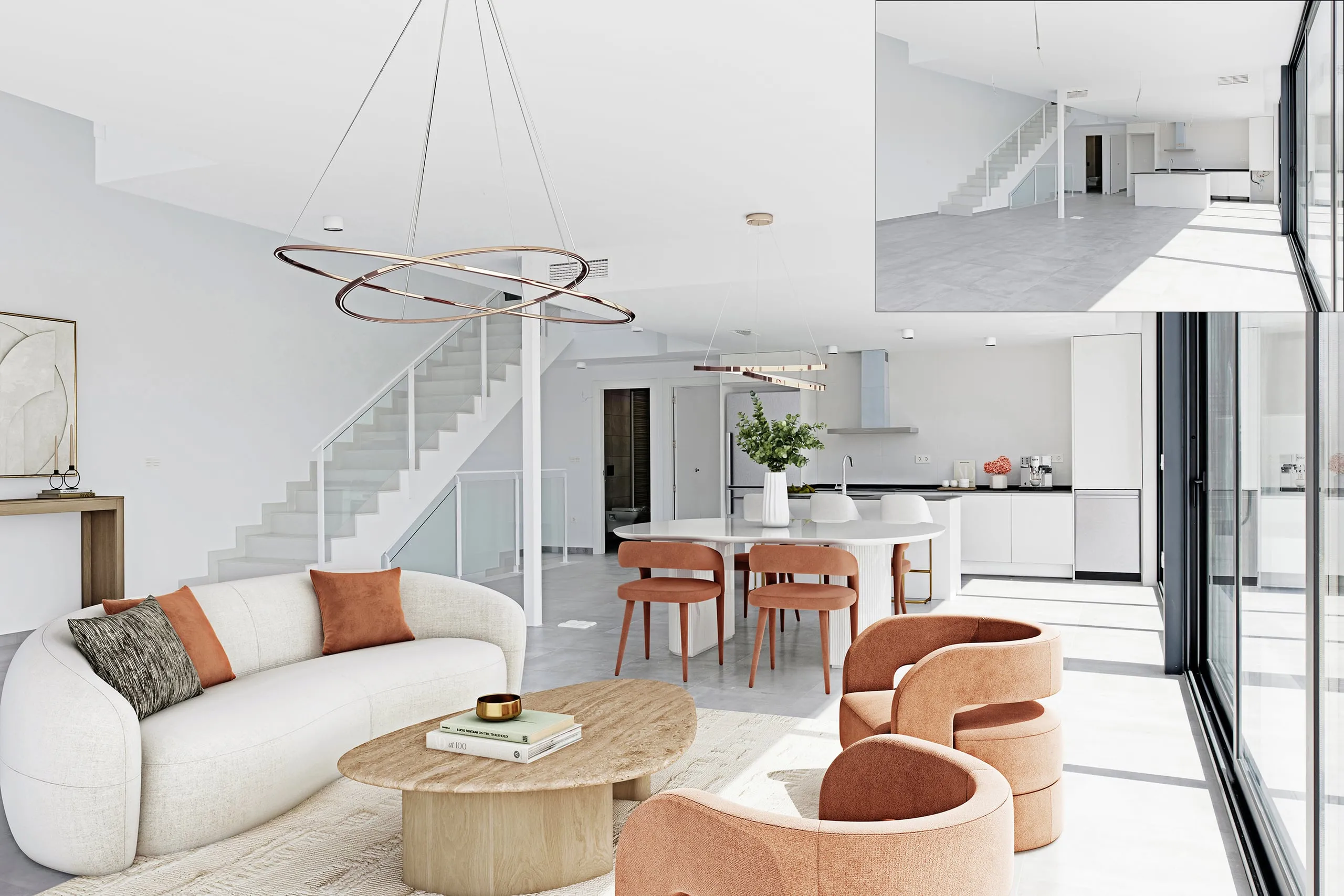
Every property has potential, but not every property is ready to show it.
An empty apartment may be difficult to visualize. A furnished home can feel dated or overcrowded. An unfinished development may offer excellent possibilities that buyers cannot yet see.
Each situation presents a different challenge, and each calls for a different approach to property presentation.
The goal is not to make every interior look the same. It is to identify what prevents buyers from understanding the space and choose the right design or visualization solution.
Empty Properties: Help Buyers Picture the Possibilities
An empty room offers a blank canvas, but it can also be surprisingly difficult to interpret.
Without furniture, buyers may struggle to judge proportions, understand how a room could be arranged, or imagine how the space would feel once occupied.
A large living area can seem impersonal, while a smaller bedroom may be difficult to evaluate without a familiar reference, such as a bed or dresser.
Physical home staging helps address these challenges by introducing carefully selected furniture, lighting, textiles, and decor.
A staged living room demonstrates how seating can be arranged. A furnished dining area gives a sense of capacity, while a prepared bedroom makes the space feel more familiar and easier to understand.
Physical staging can be especially useful when buyers will visit the property in person.
But furnishing an entire home is not always necessary or practical.
Virtual Home Staging offers an alternative for properties marketed primarily online. Digital furniture and decor are added to photographs of the existing rooms, showing possible layouts without physically installing anything.
This approach can be particularly useful for vacant apartments, remotely managed properties, or portfolios with multiple units.
Both methods can help buyers see beyond bare walls. The right choice depends on the property's condition, marketing objectives, and budget.
Furnished Properties: Make the Most of What Is Already There
An occupied or furnished home presents a different set of considerations.
Furniture may be perfectly functional but poorly arranged. Oversized pieces can interrupt circulation, while excessive decoration and personal belongings may distract from the home's strongest features.
In many cases, a complete redesign is unnecessary.
Professional home staging and interior styling begin with an assessment of the existing furniture and layout.
Sometimes, moving a sofa, simplifying the decor, adjusting the lighting, or replacing a few accessories can make a room feel more balanced and inviting.
The aim is to highlight the property rather than the owner's personal decorating preferences.
There are also situations where the existing furniture does not suit the intended marketing approach.
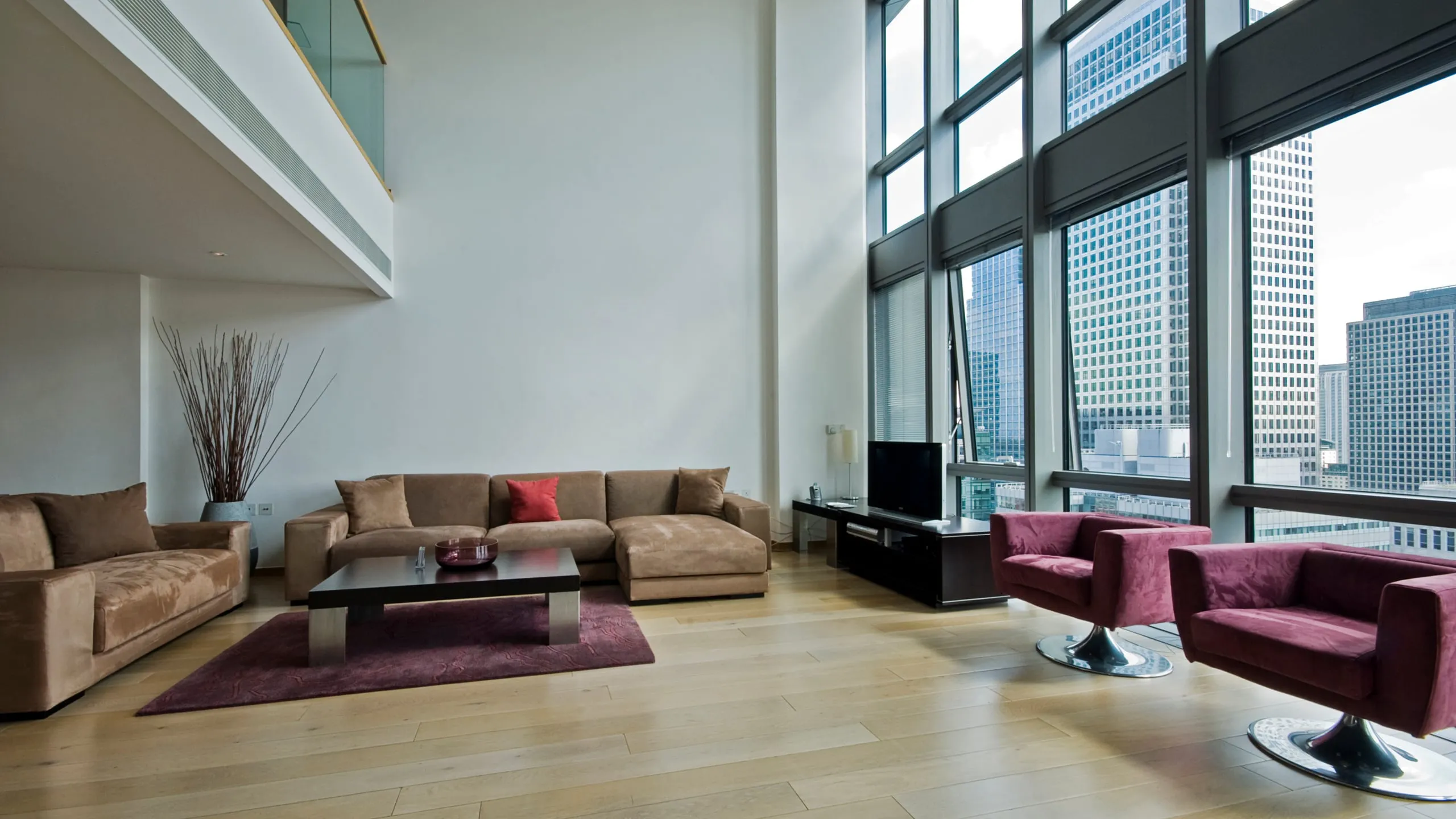
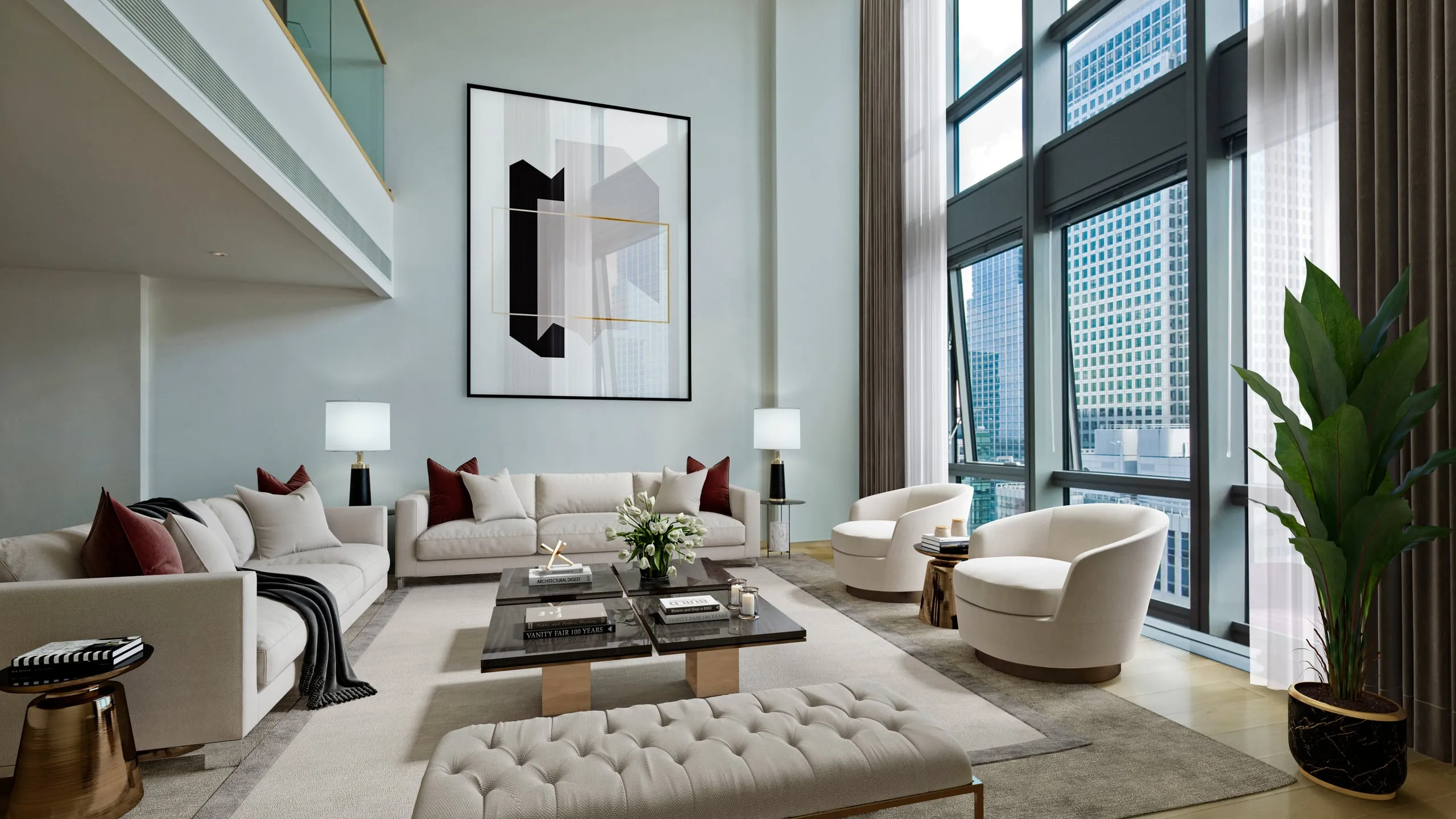
Virtual Furniture Replacement can help illustrate an alternative.
By digitally removing or replacing selected pieces in photographs, designers can show a different interior style while preserving the room's actual architecture.
This can be useful when a property is being sold without its current furnishings or when the existing decor does not reflect its market positioning.
Any digital changes should be clearly disclosed so buyers understand which furnishings are real and which are proposed.
Unfinished or Outdated Properties: Visualize the Potential
Properties under construction or awaiting renovation require a different kind of presentation.
An unfinished interior may reveal very little about the atmosphere, finishes, and functionality of the completed space.
For developers, investors, and property owners, this can make it difficult to communicate the intended result before work is completed.
3D Renderings help bridge that gap.
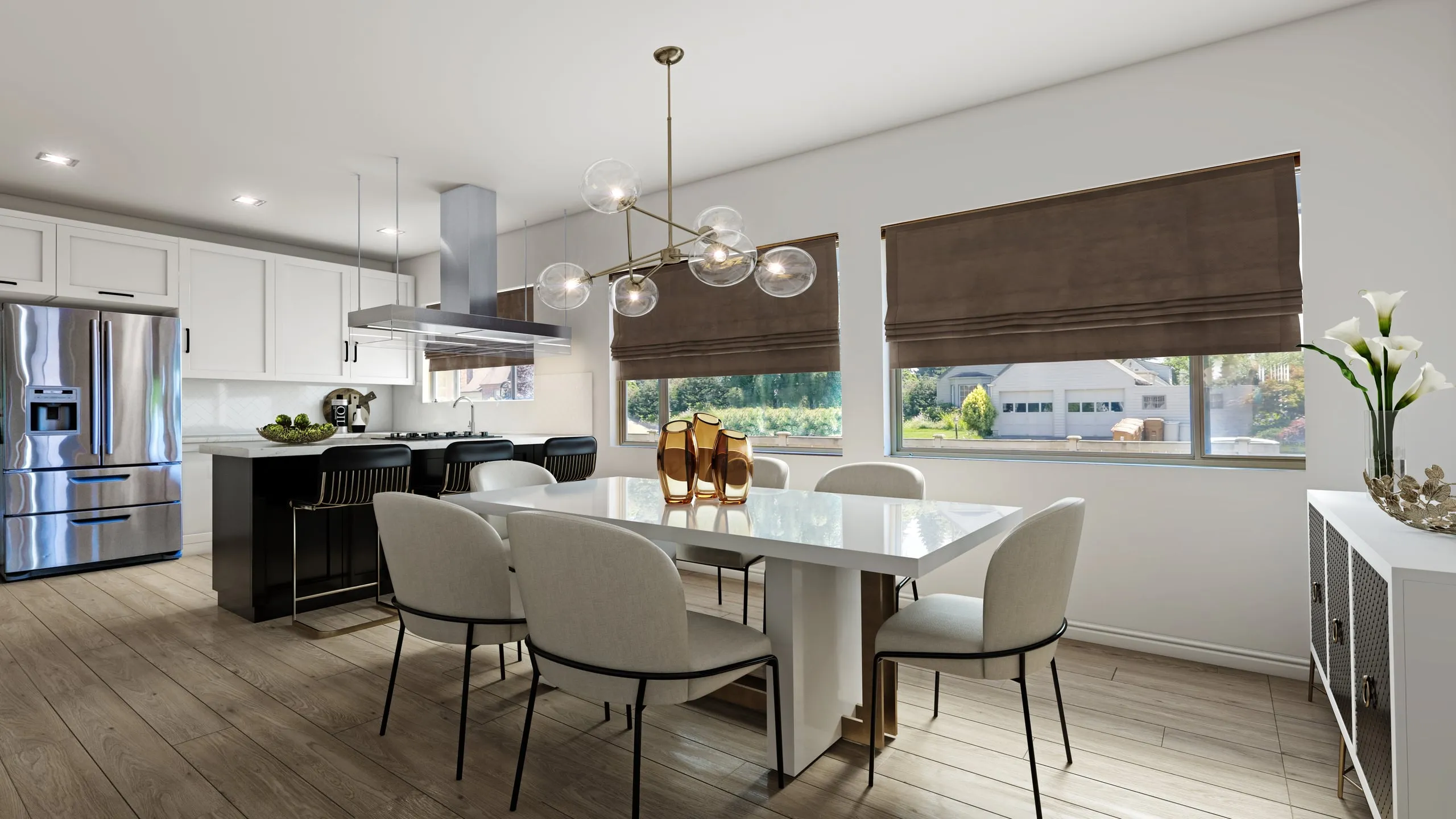
Photorealistic visualizations can show proposed layouts, materials, furniture, and lighting, allowing buyers to understand what the finished property could look like.
These images are typically created using architectural drawings, measurements, references, and design specifications.
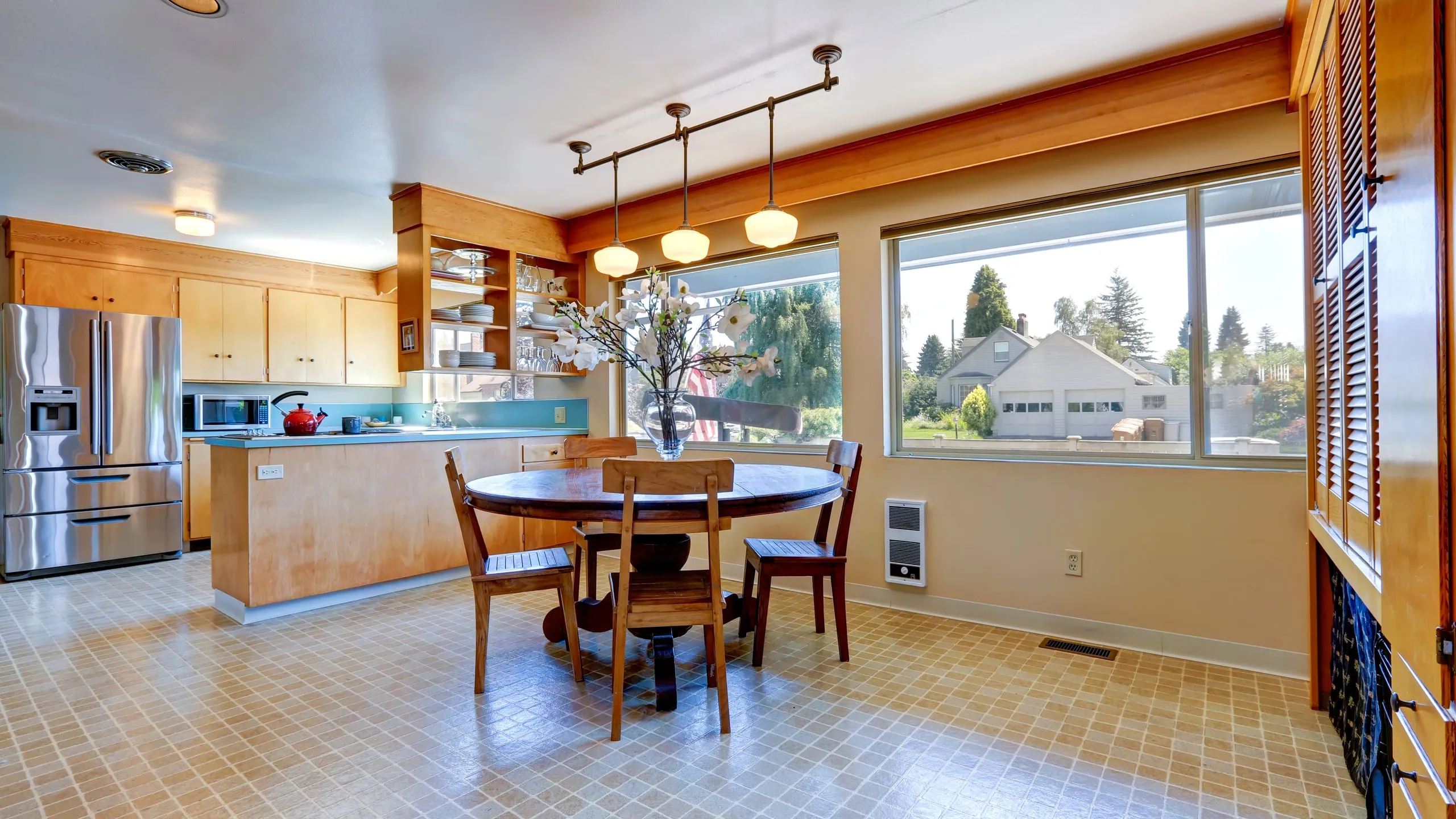
When a property already exists but needs updating, Virtual Renovation may offer another solution.
Instead of modeling an entire interior from scratch, designers can use suitable photographs to illustrate possible changes to flooring, walls, kitchens, bathrooms, or decorative finishes.
The two approaches serve different purposes. Full 3D rendering is often appropriate for developments that need to be visualized from plans. Virtual renovation can be useful for presenting remodeling ideas within an existing space.
In both cases, the images should be identified as proposed designs rather than photographs of completed work.
Structural alterations should not be presented as approved or technically feasible without the necessary professional assessment.
Choosing a Presentation Strategy That Fits the Property
A property's current condition is an important starting point, but it is not the only consideration.
A vacant apartment listed for sale might benefit from Virtual Home Staging and professional photography.
An upscale furnished residence may require carefully planned styling before a more extensive photo or video production.
A development still under construction could need architectural renderings, floor plans, and supporting project information.
The target buyer, marketing channels, available materials, and budget all influence the decision.
Photography, floor plans, video, and interactive tours can complement these solutions when they provide useful additional context.
The objective is to create a coordinated presentation that answers buyers' questions and makes the property's possibilities easier to understand.
Realistic Visualization Builds Confidence
Digital presentation tools offer creative possibilities, but accuracy matters.
Virtually furnished photographs should preserve the property's real proportions, windows, architectural features, and perspective.
Renovation concepts and 3D renderings should clearly distinguish proposed changes from existing conditions, particularly when finishes or layouts may still be revised.
A compelling presentation can inspire buyers without misleading them.
That balance between creativity and transparency is essential to professional real estate marketing.
Different Properties, Different Solutions
An empty apartment, a furnished home, and an unfinished development may require very different visual strategies.
What matters is choosing the approach that makes sense for the property's condition, audience, and intended use.
The most effective presentation strategy begins with understanding the property's current condition, its potential, and the expectations of prospective buyers. Whether a space is empty, furnished, or unfinished, the right approach should highlight its strengths while remaining true to reality.
Ultimately, presenting a property at its best is not about changing what it is. It is about helping buyers understand what makes it valuable and imagine the possibilities it offers.