
How to Furnish and Style a Short-Term Rental That Guests Remember
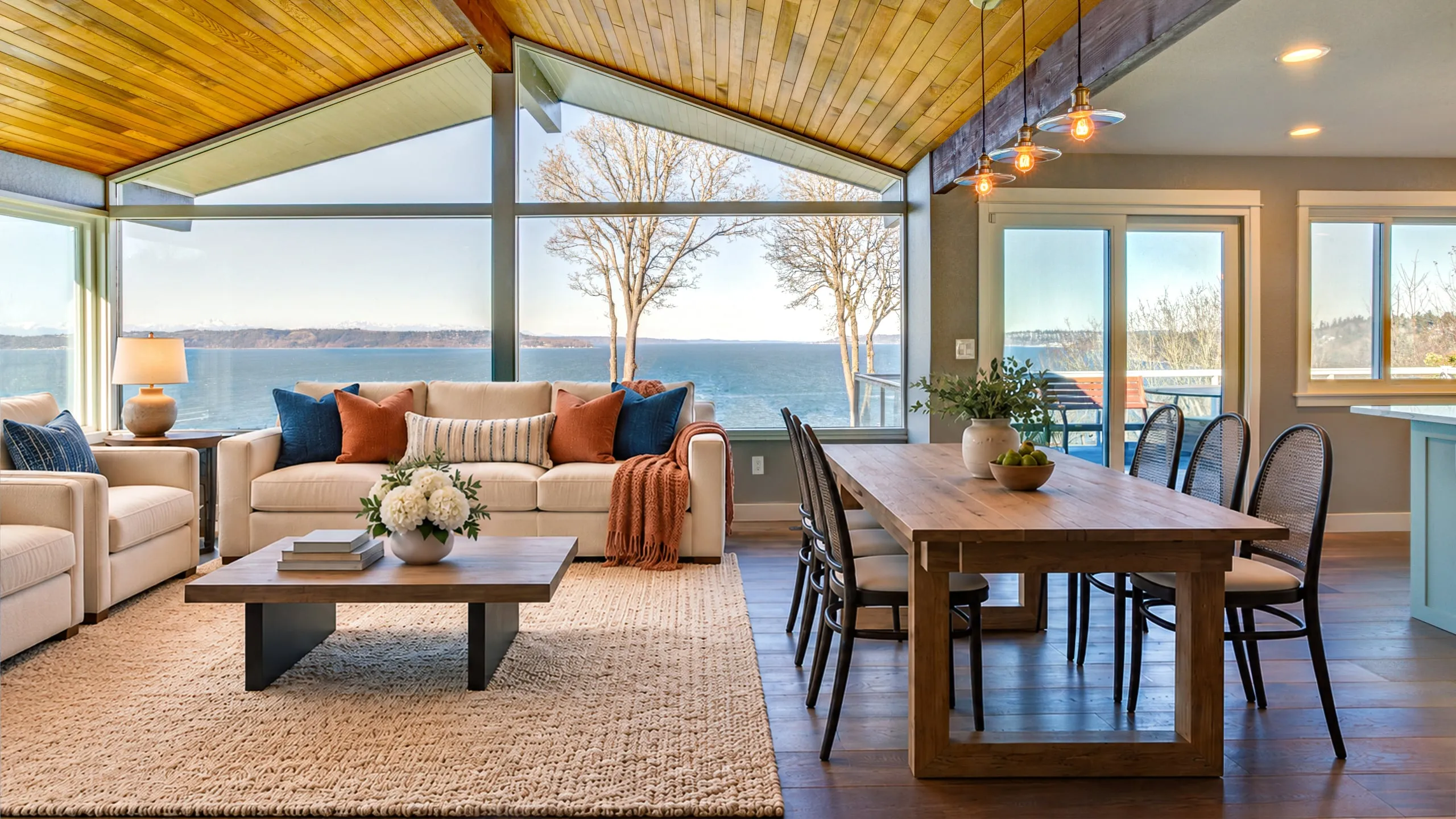
A beautiful interior can catch a guest's attention, but thoughtful design is what makes a short-term rental work.
Travelers often discover a property through photographs, compare it with similar listings, and decide whether it meets their needs before making a reservation. Yet the experience must live up to the images. A comfortable bed, practical furniture, good lighting, and a well-organized layout matter just as much as the decor.
For property owners and investors, furnishing a vacation rental requires a different approach from decorating a private home. The challenge is to create a space that feels distinctive while remaining comfortable, durable, and easy to maintain.
Design Around the Guest Experience
Every successful short-term rental design begins with understanding who will stay there.
A downtown apartment may attract couples, business travelers, or weekend visitors. A coastal property may be better suited to families or groups spending several days together.
These guests have different expectations, from sleeping arrangements and storage to dining capacity and shared living areas.
The layout should reflect how people will actually use the space. A dining table needs enough seating for the advertised occupancy. Bedrooms should offer convenient storage and comfortable access to the beds. Living areas should feel inviting without being overcrowded.
A room may look spacious in a photograph, but if guests cannot move comfortably around the furniture, the design has missed something important.
Create a Distinctive Interior Without Following Every Trend
Memorable vacation rental interiors rarely depend on expensive furniture or elaborate decoration alone.
More often, their appeal comes from a clear visual concept. A consistent color palette, complementary materials, well-proportioned furniture, and a few distinctive details can give a property its own character.
Developing a mood board before purchasing furniture helps establish that direction. It brings together references for colors, finishes, fabrics, lighting, and decor, making it easier to see how the elements will work as a whole.
A Mediterranean apartment might combine warm neutrals, natural wood, textured fabrics, and understated accents. A contemporary urban rental may call for cleaner lines and a more restrained palette.
The objective is not to reproduce the latest interior design trend. It is to create an atmosphere that feels appropriate to the property, its location, and its guests.
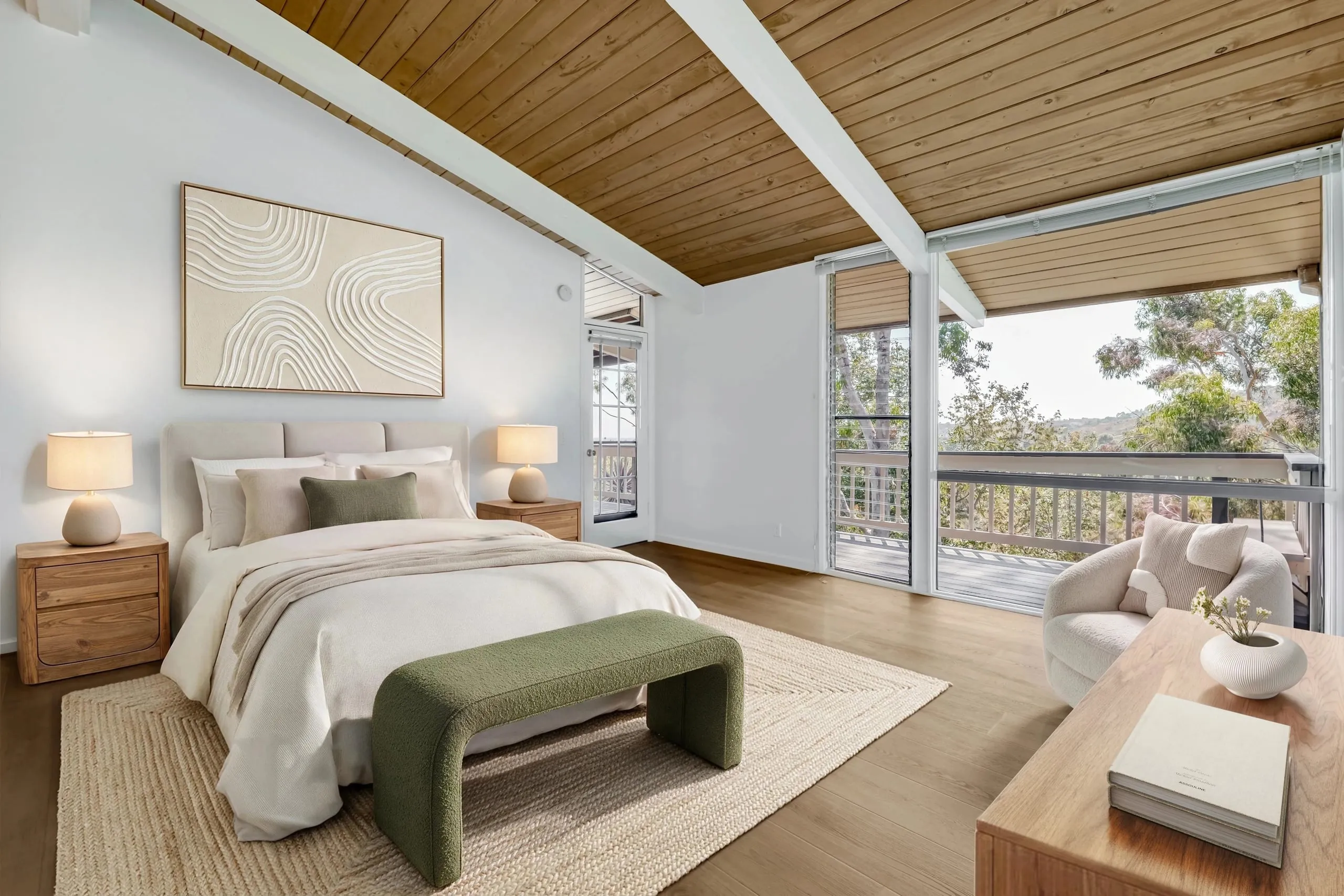
Balance Style, Comfort, and Durability
Short-term rental furniture has to do more than look good.
Beds, sofas, dining chairs, and frequently used surfaces should be comfortable and suited to regular use. Durable upholstery, washable textiles, sturdy construction, and easily replaceable accessories can make maintenance more manageable.
Investing in the right items is often more valuable than investing in more items.
Lighting also deserves careful planning. General lighting supports everyday activities, while bedside lamps, reading lights, and softer accent lighting make the space more comfortable at different times of day.
Practical details can have a lasting impact. Accessible outlets, convenient bedside tables, luggage space, and adequate storage are easy to overlook during the design process, yet they contribute directly to a better stay.
An appealing interior should feel just as considered in everyday use as it does in photographs.
Make the Furnishing Budget Work Harder
A well-planned vacation rental does not necessarily require a large furnishing budget. It requires clear priorities.
The total investment extends beyond major furniture pieces. Mattresses, curtains, lighting, rugs, kitchen essentials, decorative accessories, delivery, and installation all need to be considered.
Items that affect comfort and experience most directly should generally take priority. Decorative elements can often be sourced more economically without compromising the overall concept.
Furniture Sourcing is also about practical decision-making. Dimensions, product availability, delivery times, and replacement options can influence whether an item is suitable for a rental property.
A detailed furniture specification with product links, quantities, and prices makes purchasing easier to coordinate and helps keep spending under control.
Visualize the Design Before Buying
When furnishing an empty property, especially from another city or country, it can be difficult to imagine how everything will come together.
Space Planning, mood boards, and 3D interior visualizations help bridge that gap.
A floor plan helps confirm furniture dimensions and circulation. A mood board establishes the visual direction. A 3D visualization illustrates how selected furniture, finishes, and colors might work together in the actual space.
These tools can help refine the design before substantial purchases are made, reducing uncertainty and providing a clear reference for the furnishing process.
From a Design Concept to a Guest-Ready Property
Once the furniture is in place, the final styling brings the interior together.
Textiles, artwork, lighting, and carefully selected accessories create the atmosphere guests will encounter. Professional photography then communicates the finished result to prospective visitors.
The photographs should accurately represent the property, including the available sleeping arrangements, amenities, and practical features.
A memorable rental is not simply one that looks beautiful online. It is one where the real experience matches the expectations created by the listing.
Thoughtful design can support guest comfort, marketing, and day-to-day property management. Rental performance will also depend on factors such as location, pricing, operations, and market demand.
A Space Designed to Be Remembered
A successful short-term rental brings together comfort, functionality, and a distinctive visual identity. Thoughtful furniture choices, careful space planning, and a realistic budget help create an interior that works as well in everyday use as it does in photographs.
The most memorable properties are not necessarily the most elaborate. They are the ones where every detail feels considered and the guest experience lives up to the first impression.