
How to Prepare a Property for Sale: The Complete Presentation Checklist

A property may have a great location, an appealing layout, and beautiful architectural features, yet still struggle to make a strong first impression. Often, the difference comes down to presentation.
Before buyers schedule a showing, they have already formed opinions based on listing photos, floor plans, videos, and property descriptions. A thoughtful presentation helps them recognize a home's strengths, understand its layout, and picture themselves living there.
Preparing a property for sale is about more than cleaning and decorating. It involves a series of decisions that bring together home staging, design, and real estate marketing.
Here is a practical checklist to help you get it right.
1. Understand the Property and Its Target Buyer
Start by looking at the home from a buyer's perspective.
A downtown apartment, a family residence, and a coastal property will appeal to different audiences. The features worth emphasizing will vary accordingly.
For some buyers, natural light and an open living area will be the main attractions. Others may prioritize storage, flexible bedrooms, outdoor space, or a practical floor plan.
Identifying these strengths early gives the entire presentation a clear direction.
The goal is not to decorate according to personal taste, but to highlight what makes the property appealing to its intended market.
2. Prepare and Stage the Interior
Even excellent photography cannot fully compensate for a poorly prepared space.
Start by removing clutter, minimizing personal items, and arranging furniture to create comfortable circulation. Each room should have a clear purpose, with enough visual breathing room to appreciate its proportions.
Pay particular attention to the living room, primary bedroom, and dining area.
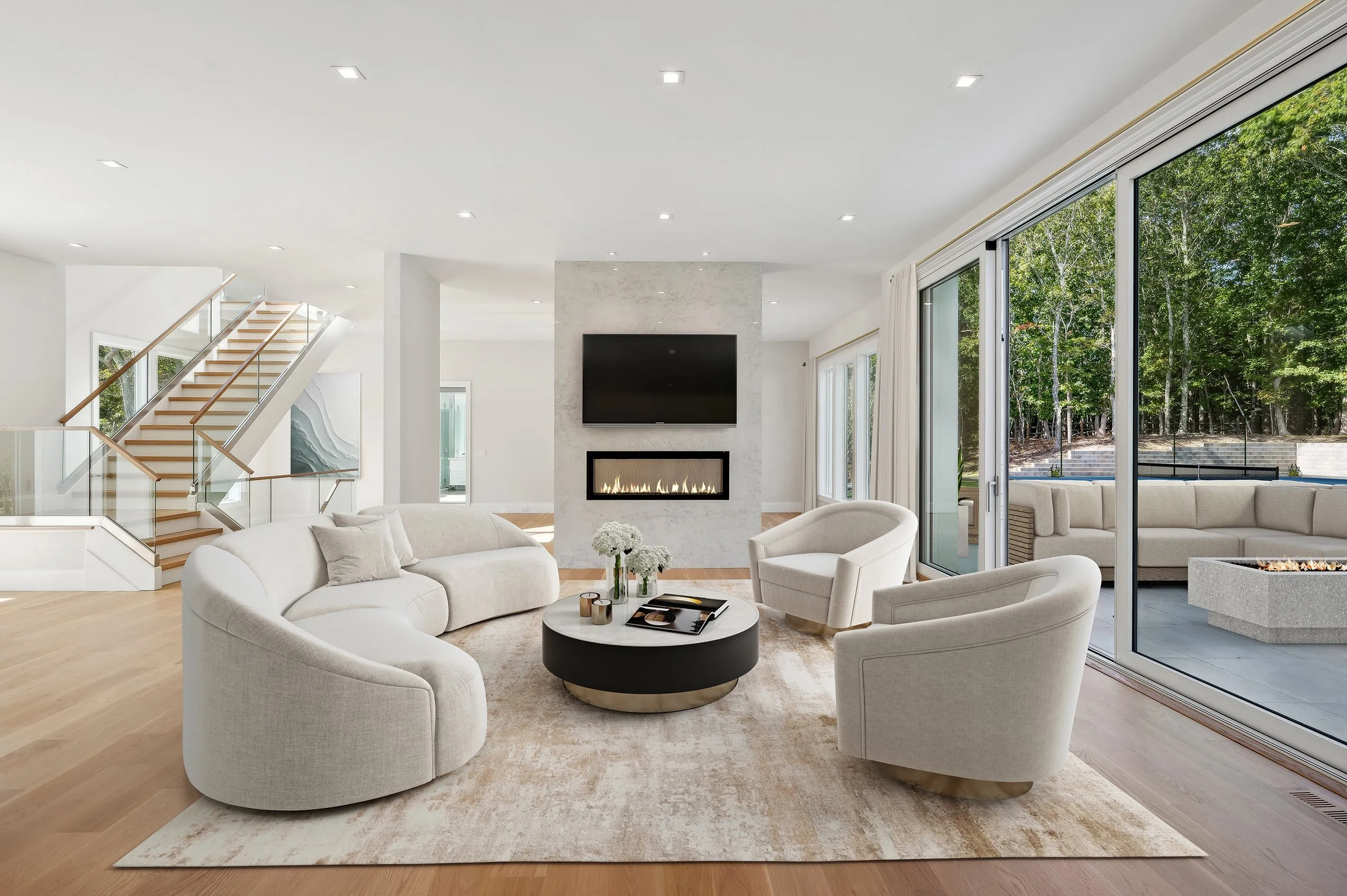
Home staging helps make these spaces feel balanced and inviting.
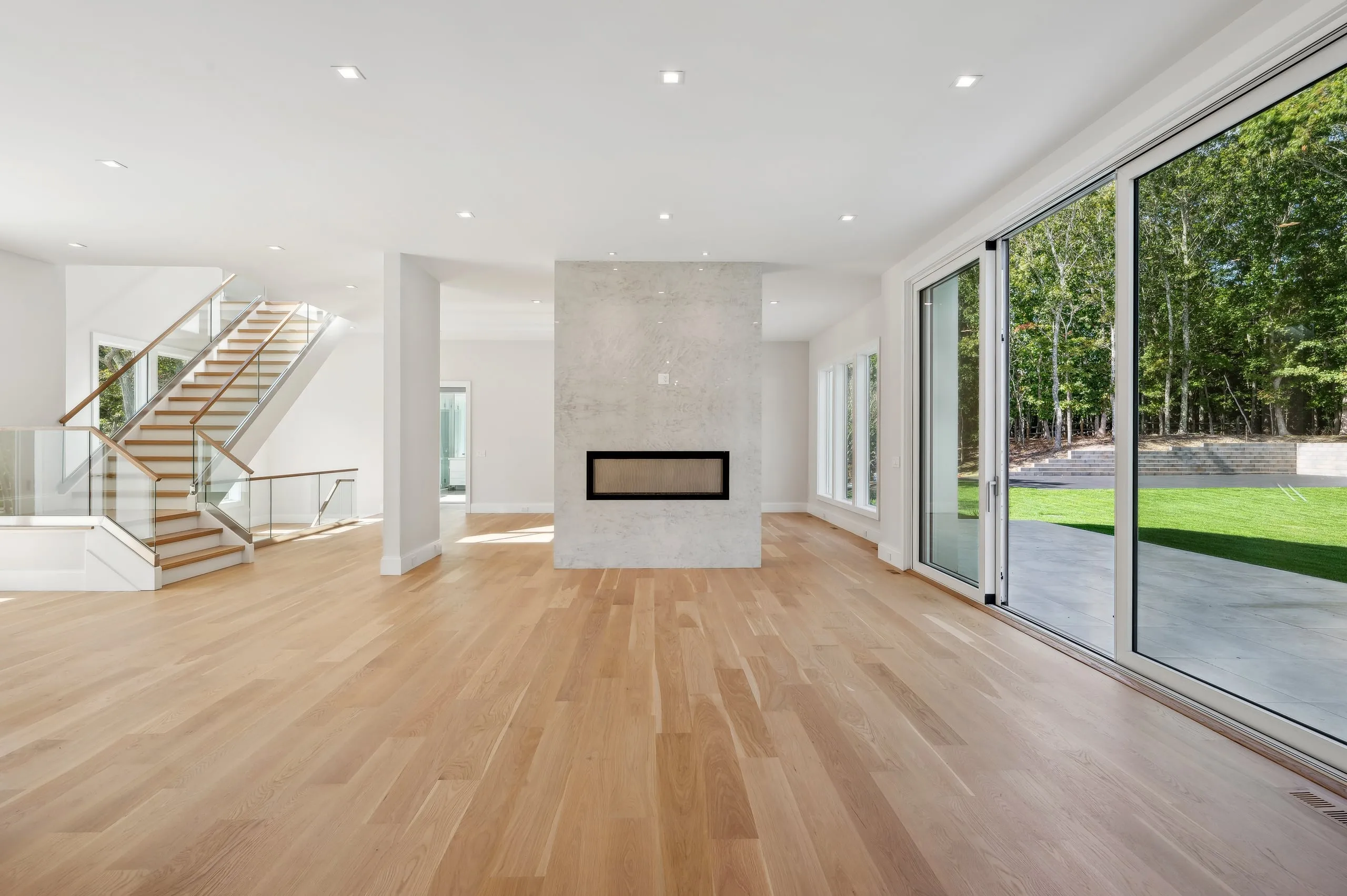
In occupied properties, it may involve rearranging existing furniture and introducing a few carefully chosen accessories. Vacant homes can benefit from physical staging or Virtual Home Staging to illustrate how empty rooms might be furnished.
The right approach depends on the property's condition, budget, and marketing strategy.
3. Invest in Professional Real Estate Photography
Listing photos often create the first meaningful connection between a buyer and a property.
Professional Real Estate Photography should capture natural light, room proportions, materials, and architectural details while maintaining a realistic perspective.
A well-planned photo shoot combines wide room views with selected details. Images should follow a logical sequence so viewers can understand how the home is organized.
Before the shoot, make sure beds are neatly made, surfaces are clear, curtains are properly arranged, and outdoor areas are ready to be photographed.
Editing should enhance the images without changing the property's actual features.
4. Include Accurate Floor Plans
Photos show what individual rooms look like, but they do not always explain how the home works as a whole.
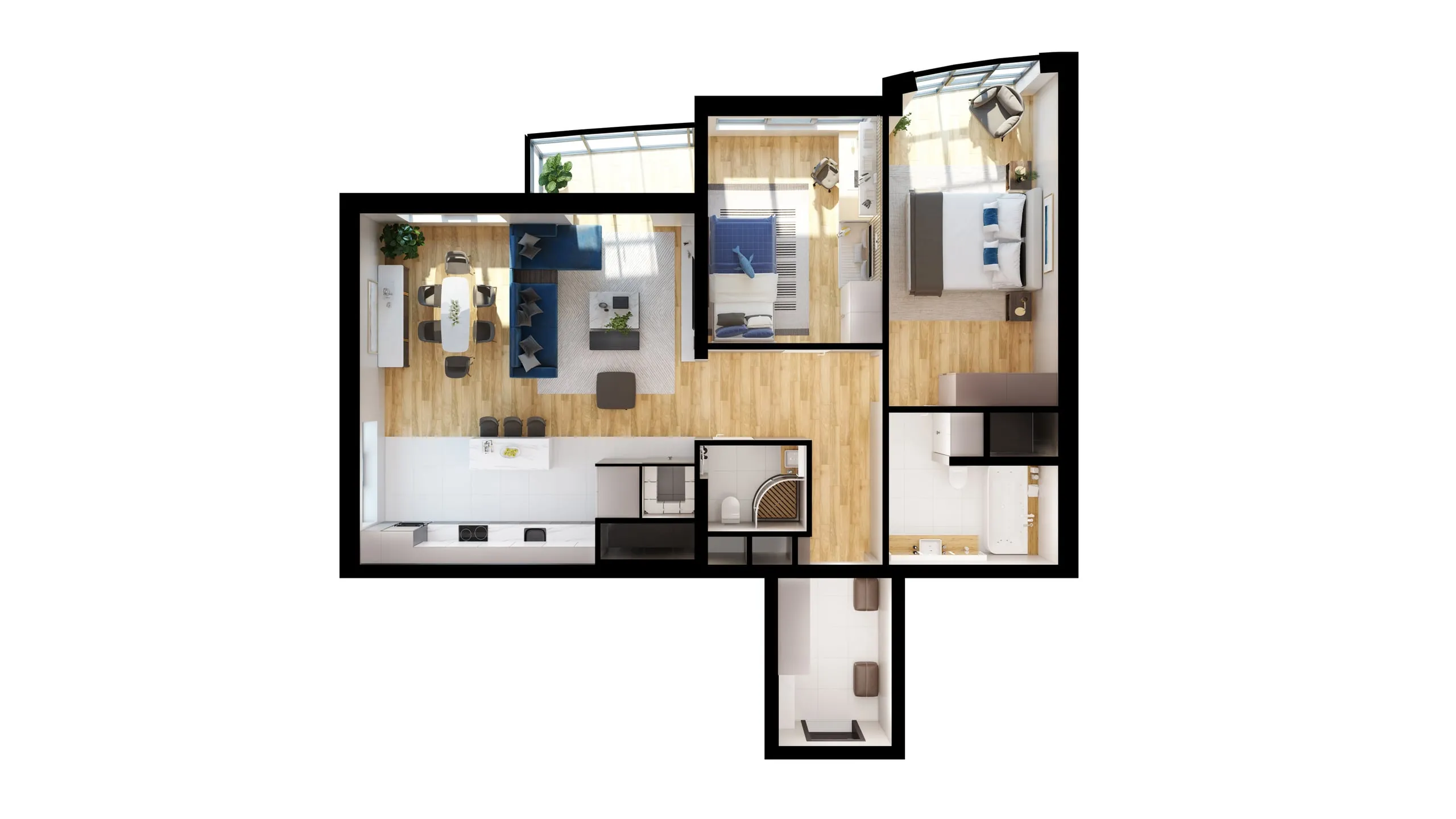
A clear 2D floor plan helps buyers understand room connections, circulation, and available space. A 3D floor plan can provide additional context, especially for properties with more complex layouts.
Floor plans are particularly valuable for buyers comparing several listings or evaluating homes remotely.
They answer practical questions that photographs alone cannot resolve.
5. Consider Video, Drone Footage, and Virtual Tours
Some properties benefit from a more immersive presentation.
Real Estate Video can show how rooms connect, highlight architectural details, and communicate the flow between indoor and outdoor spaces.
Drone Photography & Video can add useful context when the surroundings, grounds, or location are important selling points.
For a more interactive experience, a Matterport 3D Tour allows potential buyers to explore captured spaces at their own pace.
These tools are most valuable when they provide information that traditional photos cannot fully convey.
6. Create a Consistent, Accurate Listing
A professional property listing should feel cohesive from the first image to the final description.
Photography, staging, video, floor plans, and digital visualizations should tell the same story.
If virtually staged images or renovation concepts are included, identify them clearly so buyers can distinguish between the property's current condition and proposed designs.
Before publishing, review everything from the buyer's perspective. Does the listing highlight the home's strengths? Are the visuals consistent? Does the description accurately reflect what is being shown?
A polished presentation should build interest and confidence without creating unrealistic expectations.
Final Property Presentation Checklist
- Identify the target buyer and the property's key selling points.
- Clean, declutter, and prepare every room.
- Apply physical or virtual home staging where appropriate.
- Arrange professional real estate photography.
- Include clear, accurate floor plans.
- Consider video, drone footage, or a Matterport tour.
- Maintain a consistent visual style.
- Verify that photos, visualizations, and descriptions are accurate.
A Better Presentation Starts with a Clear Plan
Not every property needs every service. An occupied apartment may require only styling and photography, while a vacant home or new development may benefit from more extensive visualization.
The key is choosing the right combination for the property and its intended audience.
At Just Staging, we help real estate professionals prepare properties for the market through home staging, design, and visual presentation services.