
What Makes a Real Estate Listing Look Professional? 7 Visual Elements That Matter

A professional real estate listing does more than show a property. It tells a clear story about the space, highlights what makes it valuable, and helps buyers decide whether it meets their needs.
Property marketing now extends far beyond traditional listing photos. Home staging, video, floor plans, virtual tours, and digital visualizations can all contribute to a richer presentation.
But more content does not automatically mean better marketing.
Each visual element should have a purpose, whether that is attracting attention, explaining the layout, revealing the property's potential, or helping buyers make an informed decision.
Here are seven elements worth considering when building a professional property listing.
1. Home Staging: Show How the Space Can Be Used
Home staging helps buyers understand a property's possibilities.
A thoughtfully arranged living room can communicate comfort and scale. A furnished dining area demonstrates how the space functions, while a well-prepared bedroom makes it easier to assess furniture proportions.
Effective staging considers the property's architecture, room layout, lighting, and target audience.
For occupied homes, this may involve rearranging existing furniture, reducing clutter, and adding selected accessories. Vacant properties may benefit from physical furnishings or Virtual Home Staging.
The goal is to create an inviting interior without concealing the home's actual characteristics.
2. Professional Photography: Make the First Impression Count
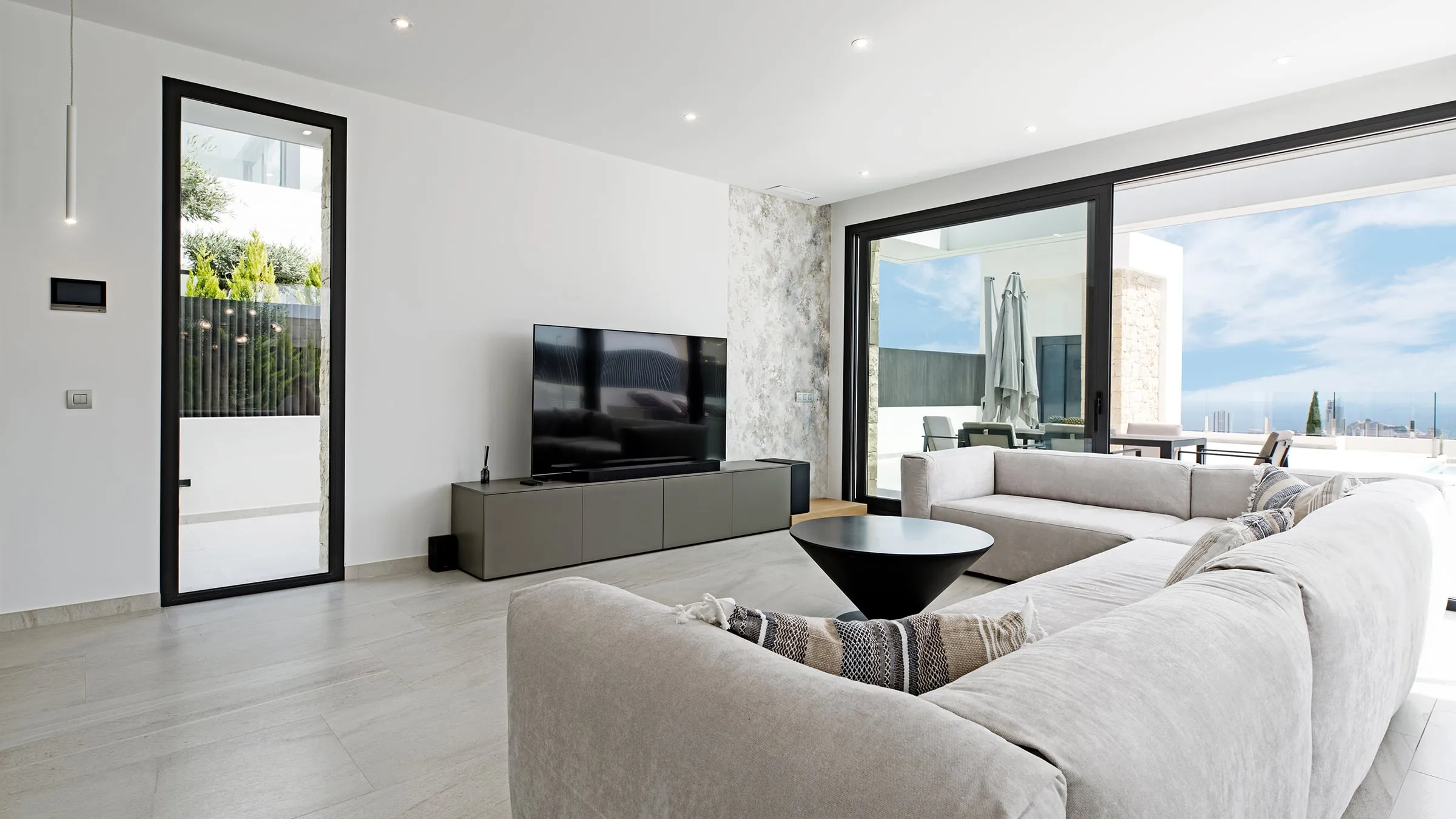
Listing photography is often the starting point of a buyer's experience.
Strong Real Estate Photography reveals the architecture, natural light, materials, and proportions while creating a consistent visual atmosphere.
Camera positioning and composition matter. Straight vertical lines, realistic perspectives, and a balanced selection of wide views and details help buyers interpret the space accurately.
The image sequence should also make sense, guiding viewers through the property's main rooms and important features.
Professional photography is not about making rooms appear larger or more luxurious than they are. It is about showing their best qualities clearly and accurately.
3. Real Estate Video: Bring the Property to Life
Photography captures individual views. Video adds movement and continuity.
A well-produced property video helps buyers understand how rooms connect, how the interior relates to outdoor spaces, and what it might feel like to move through the home.
It can be particularly useful for residences with unusual layouts, distinctive architecture, attractive terraces, or gardens.
Drone footage may add another perspective when the grounds, surroundings, or location are key selling points.
The best videos have a clear visual narrative. Each shot contributes to the viewer's understanding rather than simply filling time.
4. Floor Plans: Make the Layout Easy to Understand
Beautiful photos can generate interest, but buyers also need practical information.
Where are the bedrooms located? How does the kitchen connect to the living area? Is there enough room for a home office?
A clear 2D floor plan helps answer these questions by showing room relationships, circulation, and dimensions when available.
A 3D floor plan can provide additional spatial context, especially for more complex layouts.
For buyers comparing properties remotely, these materials can be particularly valuable.
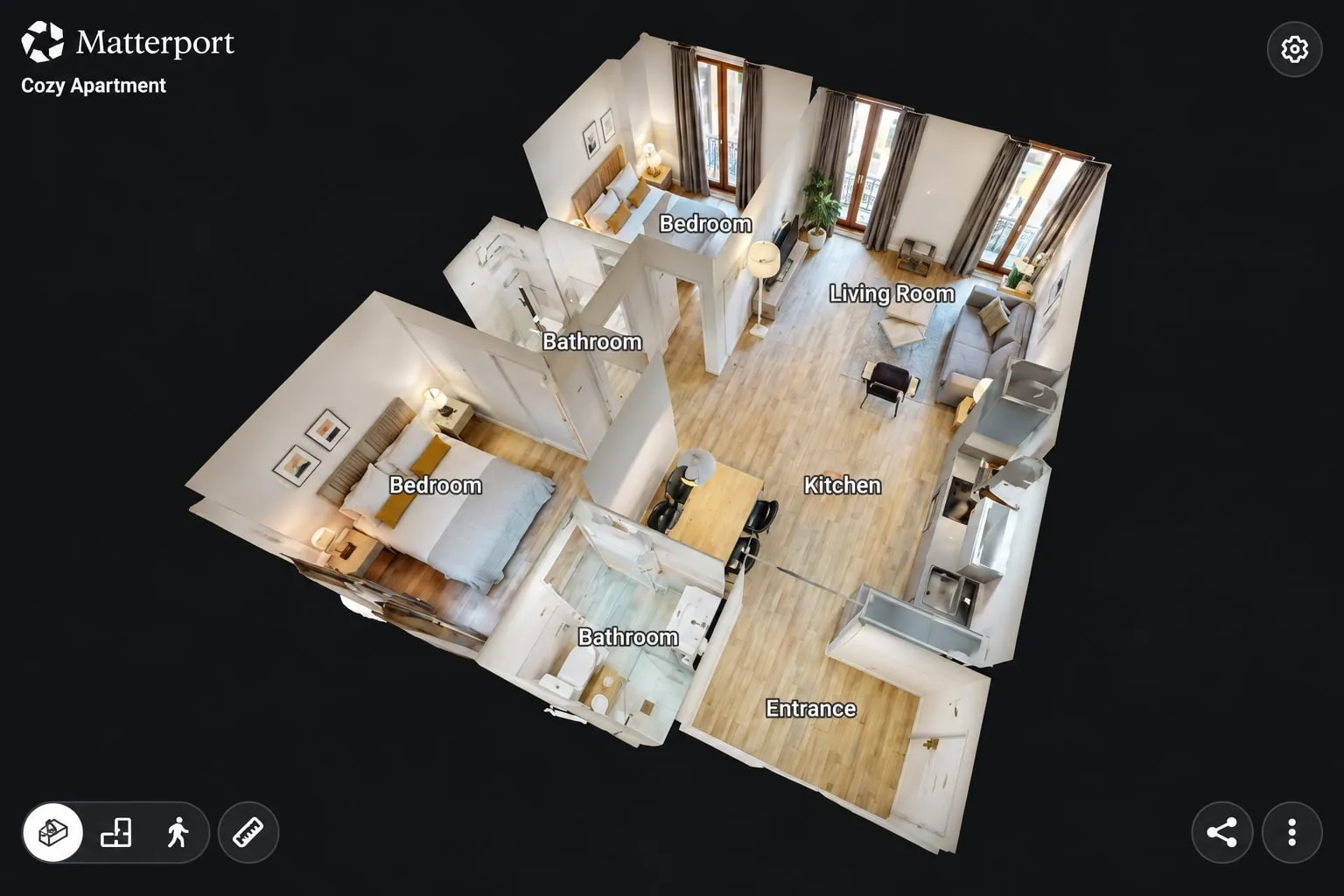
5. Matterport 3D Tours: Let Buyers Explore at Their Own Pace
A Matterport 3D tour offers an interactive alternative to traditional video.
Instead of following a fixed sequence, viewers can explore captured areas independently, examine different perspectives, and better understand how rooms relate to one another.
This is especially useful for international buyers, relocation clients, and people unable to attend an initial showing.
Virtual tours do not replace photography or floor plans in every situation. They add value when an immersive understanding of the property matters.
6. Virtual Home Staging: Reveal the Potential of Empty Rooms
Empty rooms can be harder to interpret than furnished ones.
Without furniture, buyers may struggle to visualize room layouts, appropriate furniture sizes, or how a space could be used.
Virtual Home Staging introduces realistic digital furniture and decor into photographs of an existing property.
It can also be useful when current furnishings are outdated or do not suit the intended marketing approach.
Professional virtual staging respects the original architecture, perspective, proportions, and lighting. Digitally added furniture should be clearly identified so viewers understand what is being proposed.
7. Visual Consistency: Connect Everything into One Story
The final element brings all the others together.
A listing may contain excellent photos, video, and visualizations, yet still feel disconnected if the materials lack a consistent direction.
Furniture styling, color treatment, image editing, and the overall presentation should support the same property identity.
A contemporary downtown apartment may benefit from clean styling and restrained imagery. A family home may be better presented through comfortable shared spaces and an emphasis on everyday functionality.
Consistency creates a more cohesive experience and helps buyers process the information without unnecessary distractions.
Choosing the Right Combination
Not every property needs all seven elements.
An occupied apartment in good condition may benefit most from interior styling, professional photography, and a floor plan.
A vacant property might need Virtual Home Staging to demonstrate how empty spaces could function.
A distinctive luxury residence may justify a broader presentation that includes video, drone footage, and a Matterport tour.
The most effective approach is not necessarily the one with the most services. It is the one that makes the property's strongest features clear to its intended audience.
Beyond Beautiful Images
A professional real estate listing should be attractive, informative, and trustworthy.
Visual content attracts attention, but a coordinated presentation helps buyers understand the property and evaluate whether it is right for them.
The strongest property listings are built around a clear visual strategy. When staging, photography, video, floor plans, and virtual tours work together, they create a more complete picture of the home.
Ultimately, professional real estate marketing is not about using every available tool. It is about choosing the elements that best communicate a property's qualities and help buyers make informed decisions.